Mount Everest Foundation
Supporting the exploratory
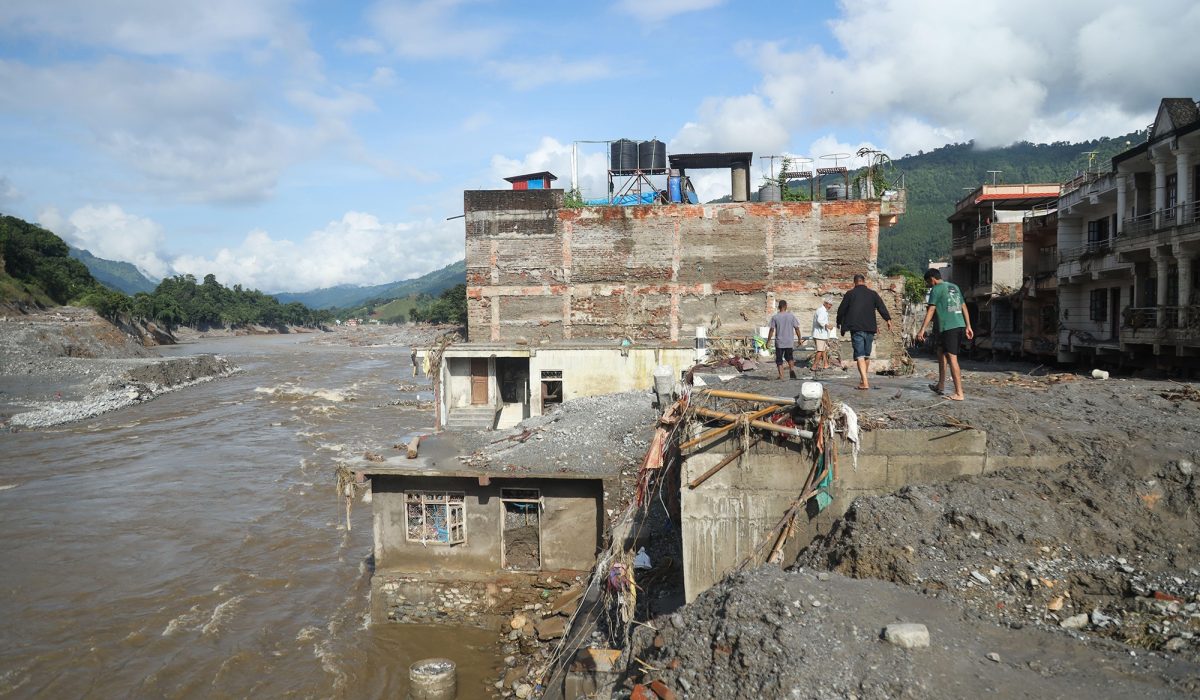
Our thoughts at this time are with the many people killed in the disaster, as well as the friends and family of the dead and missing.
Following such large-scale devastation, the recovery process is likely to be both long and difficult. We would encourage supporters and followers of the MEF to give what they are able at this time to help locals in the rebuilding process. There are several organisations currently operating in the region, including the British Red Cross.
We would particularly encourage donations to the Dolma Foundation, a charity based in Rasuwa District who will be directing funds to local families to assist them with their ongoing needs.
The MEF has strong historic links with the people of Nepal. We were founded as a result of the 1953 first ascent of Everest, an achievement made possible by the efforts of British, New Zealand and Nepali nationals. In our 70 plus years of operation, we have funded hundreds of expeditions to Nepal, enabling first ascents by Nepali teams and deepening ties between international mountaineers and local communities.
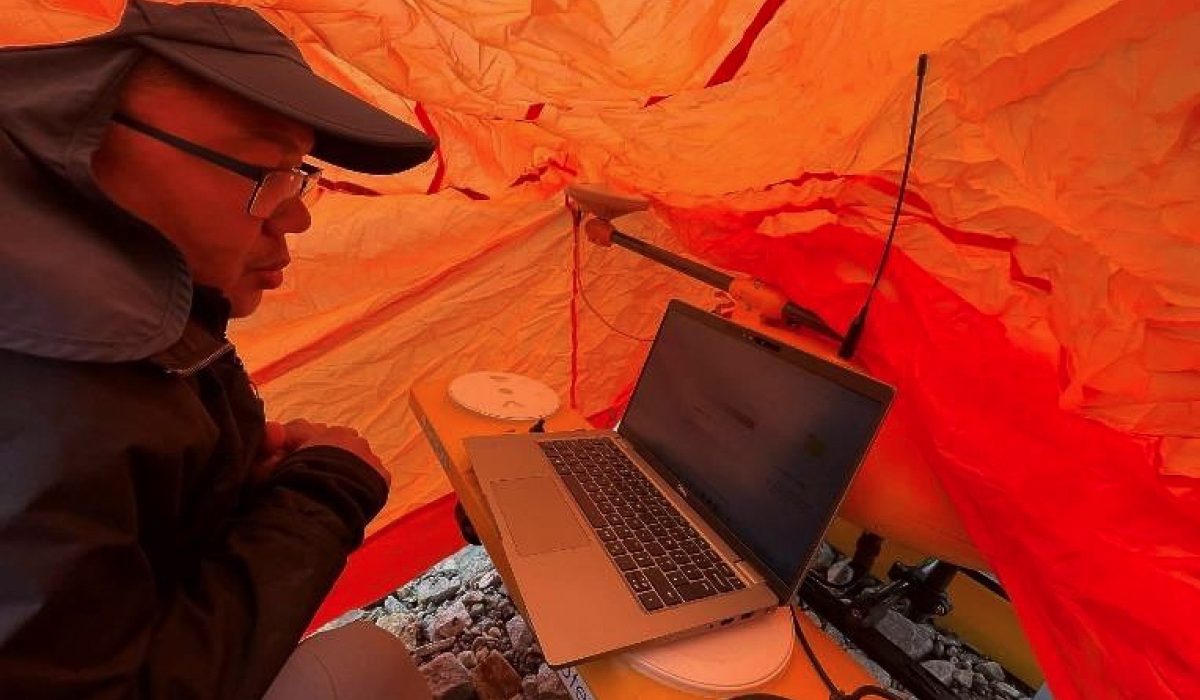
Our support for scientific research in mountain regions has also made us acutely aware of the likelihood of incidents like this one. In recent years we have supported several research expeditions that have worked to assess the risk of Glacier Lake Outburst Flooding (GLOF) in the Himalaya and our 2026 lecture was headlined by Rachel Carr and Sonam Rinzin of Newcastle University, two of the researchers at the forefront of work in this space.
Flooding risks, mitigation measures and the impact on mountain communities will continue to be a key area of focus for us in the years ahead and we encourage researchers in this area to take advantage of our funding streams and for those who are able to continue supporting our work.